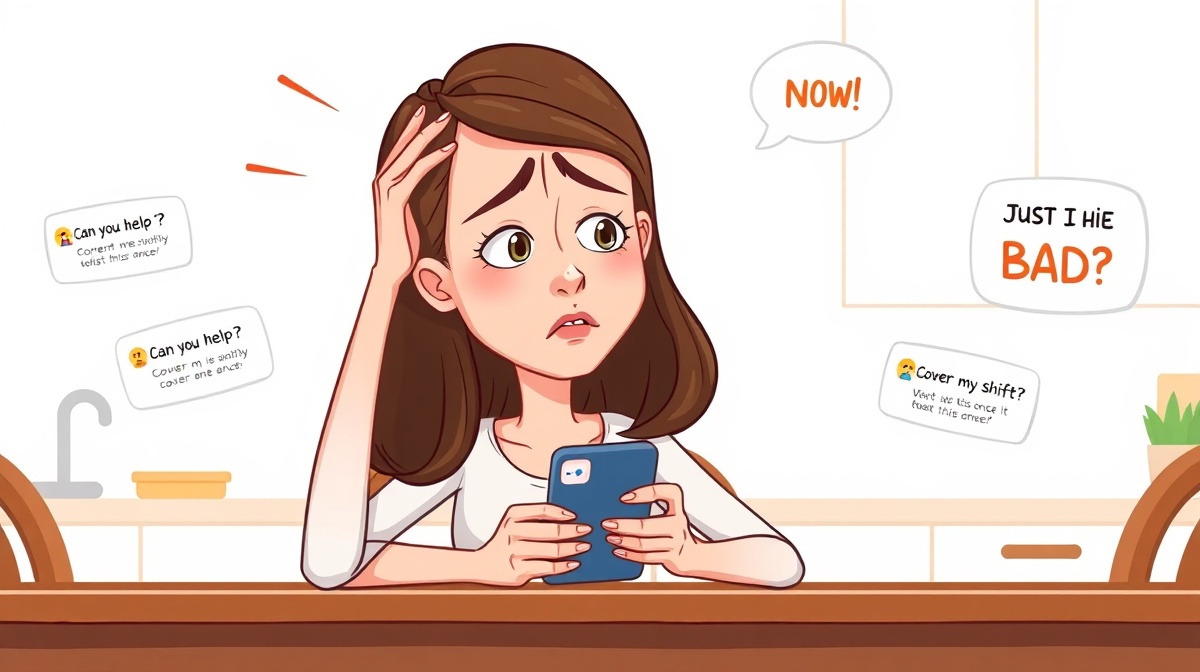
# Why People-Pleasers Feel Guilty When They Set Boundaries
People-pleasing is a pattern many of us know all too well. It’s a lifestyle of constant accommodation, often at the expense of our own needs and well-being. But when it comes time to set boundaries, guilt can flood in, making us second-guess our choices. Why does this happen, and how can we navigate these feelings to establish guilt-free boundaries? Let’s dive in.
The Root of Guilt in People-Pleasing
People-pleasers often derive their self-worth from external validation. When you've spent years prioritizing others' feelings over your own, the idea of setting boundaries can feel like a betrayal of who you are. You might worry about disappointing others or fear rejection. These emotions lead to guilt, a common hurdle in people-pleaser recovery.
But here’s the truth: boundaries are not barriers. They are a form of self-care and respect — both for yourself and others. Understanding this can be transformative.
Emotional Boundaries Are Essential
Emotional boundaries help protect your mental well-being. Yet, they are often the hardest for people-pleasers to establish. The key is to recognize that setting these boundaries is not about being selfish; it’s about being self-aware and self-compassionate.
Imagine you have a friend who constantly calls you at all hours to vent. While you care deeply for them, these calls are starting to affect your sleep and stress levels. Here’s a practical way to set an emotional boundary:
Script Example 1: "I value our friendship and want to be there for you. However, I need to make sure I get enough rest at night. Can we agree to talk during the day instead?"
This script communicates your needs without dismissing your friend's feelings, helping you maintain the relationship while protecting your emotional health.
Tackling the Guilt Monster
Guilt often stems from the fear of conflict or the loss of connection. Overcoming this requires a mindset shift: understanding that relationships thrive on mutual respect and openness. Here’s another example:
Script Example 2: "I’ve realized that I need some quiet time after work to recharge. It’s nothing personal, but I won’t be available for calls right after I get home. I hope you understand."
This approach is clear, direct, and respectful. It reinforces your need for personal space while expressing that you value the relationship.
Practical Steps Towards Guilt-Free Boundaries
1. Reflect on Your Needs: Take time to identify what truly matters to you. What are your non-negotiables? 2. Start Small: Begin by setting minor boundaries and gradually move to more significant ones. 3. Practice Self-Compassion: Remind yourself that it's okay to prioritize your well-being. 4. Seek Support: Confide in a trusted friend or consider professional guidance if necessary.
Each step you take towards setting boundaries is a step towards self-empowerment and healthier relationships.
Overcoming People-Pleaser Patterns
Breaking the cycle of people-pleasing doesn’t happen overnight, but with patience and practice, you can establish a more balanced life. By setting emotional boundaries, you allow yourself to engage in relationships that are both fulfilling and respectful.
If you’re ready to dive deeper into the art of setting healthy boundaries, consider exploring The Boundary Blueprint. Our digital product is designed to guide you through the process of people-pleaser recovery, helping you build guilt-free boundaries that honor both your needs and those of others.
Embrace the journey of self-discovery and empowerment. You deserve it.