The Drama Tax: What Other People's Chaos Actually Costs You
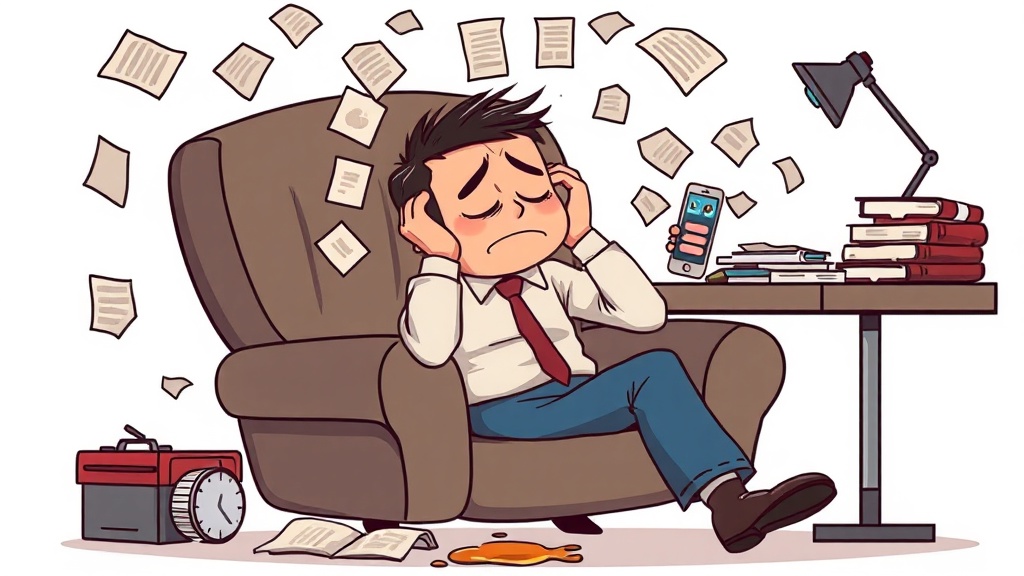
Your phone buzzes. It's a text from your cousin, the one who's always in crisis. She needs to "vent" about her boyfriend again—the same boyfriend she's been complaining about for three years, the same problems she refuses to address. You know this conversation will take at least an hour. You know you'll feel drained afterward. You know nothing will change.
But you answer anyway.
Welcome to the drama tax.
The Tax You Didn't Know You Were Paying
We talk about time as our most valuable resource, but that's only half the story. The real currency of your life is attention—the quality of presence you bring to any given moment. And other people's drama doesn't just take your time. It takes your attention, your emotional bandwidth, your mental clarity, your peace.
Think of it like this: when you engage with someone's chaos, you're not just spending an hour listening to them. You're spending that hour, plus the mental processing that continues afterward, plus the residual stress that colors your next few interactions, plus the recovery time needed to return to baseline.
A thirty-minute conversation about someone else's manufactured crisis can cost you half a day of productive focus. That's the drama tax—and most people have no idea how much they're paying.
Identifying the Drama Sources
Not all difficult situations are drama. Real crises deserve support. Genuine struggles warrant compassion. The difference between legitimate need and drama addiction is a critical distinction.
Drama sources share these characteristics:
- The Same Story, Different Day. They're always dealing with the same issues, but never taking action to resolve them. The relationship that's been "complicated" for years. The job they hate but won't leave. The boundary they keep complaining about but refuse to enforce.
- You're the Audience, Not the Support. They don't actually want advice or help—they want to perform their suffering for a sympathetic viewer. When you offer solutions, they explain why nothing will work. They need the drama; they just need you to witness it.
- Crisis is Chronic. There's always something. The emergencies never end because peace feels boring to them. They're unconsciously addicted to the adrenaline of chaos.
- The Tide Only Flows One Way. When you have problems, they're unavailable, dismissive, or somehow turn the conversation back to themselves. The support is expected to flow in one direction only.
Why You Keep Paying
If the drama tax is so costly, why do we keep paying it? Because it meets certain needs—usually unhealthy ones:
It makes us feel needed. Being the go-to person for someone's problems can feel like evidence of our importance. If they need us to manage their emotions, we must matter.
It distracts from our own issues. Focusing on other people's chaos is a convenient way to avoid dealing with our own problems. It's easier to analyze why your friend can't leave her toxic relationship than to examine why you haven't started that project you've been putting off.
It feels virtuous. We've been taught that good people help others, that selflessness is noble. But there's nothing noble about enabling dysfunction. There's nothing virtuous about sacrificing your wellbeing to support someone's resistance to growth.
The Math That Changed Everything
Here's the calculation that finally broke my pattern:
I estimated that I was spending roughly eight hours per week managing other people's drama—listening to complaints, offering advice that wouldn't be taken, processing the emotional residue afterward. Eight hours.
That's 416 hours per year. That's more than ten full work weeks. That's enough time to write a book, learn a new skill, build a side business, or simply enjoy 416 hours of actual peace.
I was paying 416 hours per year to help people who weren't actually being helped. The ROI was literally zero—or negative, when you factor in what that time was costing me.
Once I saw the math, I couldn't unsee it.
Cutting the Drain: A Practical Protocol
You can't eliminate all difficult conversations from your life, and you shouldn't want to. But you can stop being a bottomless reservoir for other people's recurring dysfunction. Here's how:
1. The Three-Strike Observation
When someone brings you the same problem three times without taking any action on previous advice, recognize the pattern. They're not looking for solutions—they're looking for an audience. Your participation is perpetuating the cycle.
2. Time-Box the Interaction
If you choose to engage, set a limit beforehand. "I have fifteen minutes before I need to go." Stick to it. Drama expands to fill whatever container you give it.
3. Redirect to Action
Instead of asking "what happened?" or "how do you feel?", ask "what are you going to do about it?" This shifts the conversation from venting to problem-solving. Watch how quickly drama-seekers lose interest when you require them to move toward resolution.
4. State Your Limit Clearly
When necessary, be direct: "I care about you, but I can't keep having this same conversation. It's not helping either of us. When you're ready to make a change, I'm here. Until then, I need to step back from this topic."
5. Protect Your Response Time
You don't have to answer immediately. Drama often creates false urgency. Let the text sit for a few hours. Most "emergencies" resolve themselves or find another audience.
The Pushback You'll Face
When you start enforcing these boundaries, drama sources will not be pleased. Expect guilt trips: "I thought you cared about me." Expect accusations: "You've changed." Expect escalation: some people will create bigger crises to recapture your attention.
Stay firm. Their reaction is information about the nature of your relationship—not an indication that you're doing something wrong.
The people who genuinely care about you will respect your limits. They might even be inspired by them. The people who only valued you as an emotional dumping ground will fade away. Let them.
What You Get Back
When you stop paying the drama tax, you don't just get time back. You get mental clarity. You get emotional stability. You get the space to focus on things that actually matter to you.
You get mornings that aren't derailed by someone else's crisis. You get evenings that belong to you. You get the energy you've been hemorrhaging into other people's chaos redirected toward your own growth, your own projects, your own peace.
That's not selfish. That's sanity.
The drama will continue with or without you. Other people's chaos is not your emergency. Your peace is not negotiable.
Stop paying the tax. Reclaim what's yours.